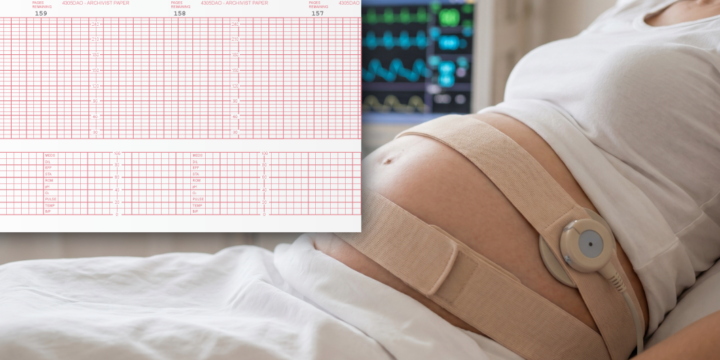
Long‑Term ECG Monitoring in the ICU: Why It Matters & How the Right Electrodes Help

Long‑Term ECG Monitoring in the ICU: Why It Matters & How the Right Electrodes Help

ECG, Patient Monitoring
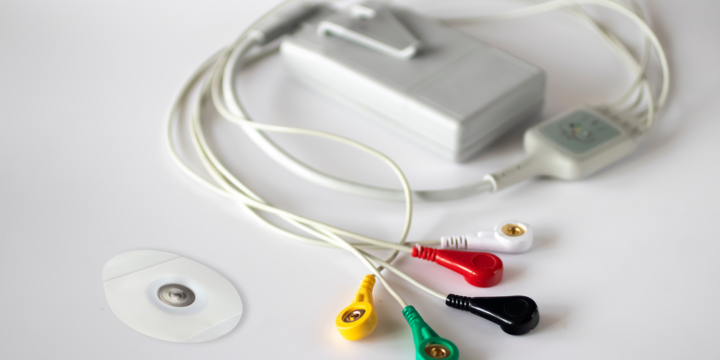
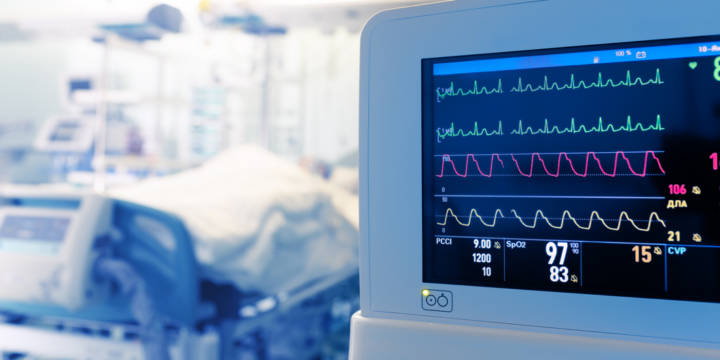
Long‑Term ECG Monitoring in the ICU: Why It Matters & How the Right Electrodes HelpThe Intensive Care Unit (ICU) is a highly specialized area of the hospital where patients with life-threatening illnesses or injuries receive continuous, high-acuity care. ICU patients often require close observation due to conditions such as post-surgery care, sudden organ failure, traumatic injuries, or sepsis. Continuous monitoring in the ICU allows clinicians to track real-time changes and respond quickly to deterioration.Incubators, warmers, and humidified oxygenVentilators and CPAP for underdeveloped lungsDelicate surgeries like cardiac or gastrointestinal ECG Monitoring in ICUModern bedside monitors do far more than display heart rates. Today’s ICU monitoring systems use advanced ECG software capable of detecting myocardial ischemia, QT-interval prolongation, and various cardiac arrhythmias, significantly enhancing clinical insights.This level of continuous cardiac surveillance benefits patients…
Read More
Cardioversion vs Defibrillation: Do You Know the Difference?

Cardioversion vs Defibrillation: Do You Know the Difference?

Defibrillator, HS-News, Patient Monitoring
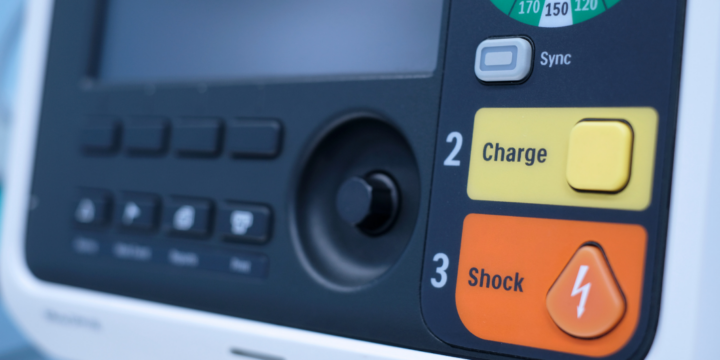
What’s the difference between cardioversion and defibrillation? They sound similar, but they are used for different types of heart rhythms. This guide explains the key distinctions in the cardioversion vs defibrillation debate. It shows how tools like HeartSync pads from NisshaMedical Technologies’ product portfolio fit into each procedure.Cardioversion vs Defibrillation: What Does Each One Do?What Is Cardioversion?In case of arrhythmia, the heart is beating too fast or irregularly. Cardioversion is a medical procedure that is used to restore abnormal heart rhythms during arrhythmias. First, a low-energy shock is delivered to the chest. Then, the shock is timed to match the heart’s natural rhythm. Because of this synchronization, the procedure helps reset the heartbeat safely. Cardioversion is most often used to treat atrial fibrillation, atrial flutter, and other supraventricular tachycardias (SVT).What…
Read More
When to Use Pediatric Defib Pads for Better Outcomes

When to Use Pediatric Defib Pads for Better Outcomes

Defibrillator, HS-News, NMHS, Patient Monitoring
In a pediatric emergency, every second matters. The tools you use can make a life-saving difference. That’s why it’s critical to know when to use pediatric defib pads. Pediatric defibrillation pads are made for children who weigh less than 22 pounds. They are intended to be used with defibrillators capable of delivering a lower energy shock appropriate for a child's size and physiology. Placement and size of the defibrillation pad are important. Incorrect use and/or use of larger adult pads on a small child, where pads are placed too close together, increases the risk of harm to the patient. This guide explains when to use pediatric defibrillation pads, how they differ from adult pads, and what clinical teams need to know to reduce risk and improve outcomes. Why Pediatric Defib…
Read More
Ultrasound Film: Same Quality at Better Costs with NMT

Ultrasound Film: Same Quality at Better Costs with NMT

HS-News, NMHS, Patient Monitoring
The world is rapidly shifting toward digital imaging. However, ultrasound film, also known as sonography film, continues to be important in diagnostic accuracy. But not all films are created equal.NMT Ultrasound film matches the quality of leading brands. Yet it comes at a much better price. Therefore, you get the best of both worlds.What Sets NMT Ultrasound Film ApartHigh Humidity & Heat ResistanceAdvantage: High humidity and heat resistance allow for longer storage. As a result, fading is prevented and prints remain clear over time. Top Coat LayerAdvantage: The specialized top coat aligns with printer heads. Therefore, printing remains smooth and continuous.Easy TearingAdvantage: Designed for clean tears along the cross direction. As a result, rips and paper damage are prevented. Consequentially, you save on both time and material.Minimal CurlingAdvantage: Reduced curling…
Read More
Defib Pad Placement Made Simple for Hospital Use

Defib Pad Placement Made Simple for Hospital Use

Defibrillator, FAQ, NMHS, Patient Monitoring
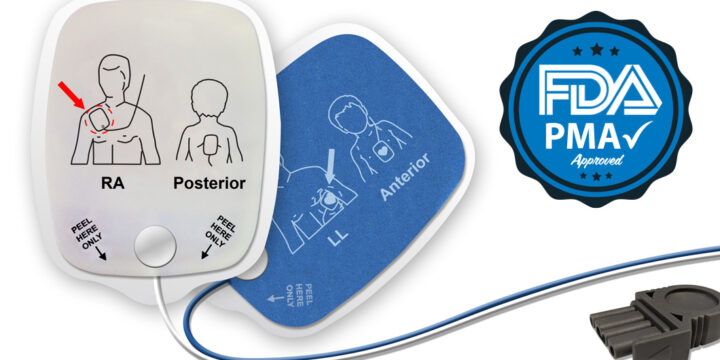
In a cardiac emergency, proper defib pad placement can save a life. An automated external defibrillator (AED) analyzes heart rhythm. If needed, it delivers a shock. For the shock to work, it needs to travel directly through the heart. That’s why correct pad placement matters.This guide shows where to place defib pads for adults and children. It uses simple steps and plain language, so responders can feel prepared when seconds count.Note: This guide is intended for general informational purposes only. Always follow the Instructions for Use provided with your defibrillator and adhere to your organization’s protocols.Why Defib Pad Placement MattersAEDs restart the heart or restore a normal heart rhythm by sending an electric shock through the chest. To be effective, the shock needs to pass directly through the heart muscle. Because…
Read More
Can Ultrasound Films Unlock the First Emotional Bond?

Can Ultrasound Films Unlock the First Emotional Bond?

NMHS, Patient Monitoring
In today’s digital world, printed photos are becoming rare. For many expectant mothers, this means they only get digital versions of their baby’s ultrasound scan. Instead of printed ultrasound films or sonography papers, they leave with a file. Digital images are convenient. But holding a printed ultrasound feels different. It’s more real and more emotional. Printed ultrasound films aren’t just keepsakes. They may help both mothers and babies. In fact, research in maternal health and psychology supports this idea. The Science of the Bond and Ultrasound Film Benefits Maternal-fetal attachment (MFA) is the emotional connection between a mother and her baby during pregnancy. Small actions, like eating healthy, buying baby clothes, or rubbing the belly, can build this bond. Research shows ultrasound viewing may strengthen that connection, especially in the…
Read More
PMA Meaning in Medical Devices: HeartSync’s FDA Approval

PMA Meaning in Medical Devices: HeartSync’s FDA Approval

Defibrillator, NMHS, Patient Monitoring, Quality
What is the PMA meaning in medical manufacturing, and why does it matter? PMA stands for Premarket Approval, the FDA’s most rigorous pathway for approving high-risk medical devices. In July 2023, Nissha Medical Technologies (NMT) received PMA approval for its HeartSync line of disposable defibrillation electrodes. This marked a milestone that reflects years of collaboration, testing, and innovation.PMA Meaning vs. 510(k): What's the Difference?To understand the definition of PMA, it helps to compare it to the more familiar 510(k) clearance process.The 510(k) pathway applies to moderate-risk devices. It allows manufacturers to demonstrate that their product is substantially equivalent to one already on the market.PMA approval is required for Class III, or high-risk, devices. Therefore, these products require extensive testing, clinical data, and a full FDA review before they can be…
Read More
EKG and ECG Placement: A Simple Guide

EKG and ECG Placement: A Simple Guide

ECG, FAQ, General Health, NMHS, Patient Monitoring
Clinicians use electrocardiograms, commonly referred to as ECG or EKG, to assess the heart's electrical activity. The term "ECG" comes from English, while "EKG" uses the original German spelling "Elektrokardiogramm." Both terms mean the same test, and clinicians use them interchangeably.Accurate ECG placement is key to capturing signals that help with diagnosis and treatment. Clinicians apply ECG electrodes, also known as ECG stickers, to the skin to detect these signals. In this guide, you’ll learn how to place ECG electrodes step-by-step. You'll also get tips for better accuracy and see which mistakes to avoid.This guide is intended for general informational purposes only. Always follow the instructions for use provided by the manufacturer and your facility’s protocols.Understanding the BasicsECG tests record the heart’s electrical impulses, allowing clinicians to monitor rhythm, detect…
Read More
Defibrillation Pads: Essential Tools for Saving Lives

Defibrillation Pads: Essential Tools for Saving Lives

Defibrillator, General Health, Patient Monitoring
Sudden cardiac arrest (SCA) is one of the leading causes of death worldwide, claiming millions of lives every year. Quick access to a defibrillator and the right electrodes can dramatically improve outcomes. That’s where HeartSync defibrillation pads come in — providing reliable, fast-acting support when every second counts.What are HeartSync defibrillation pads?HeartSync Defibrillation pads, (or HeartSync Defibrillator Electrodes), are adhesive devices placed on a person's chest during a cardiac emergency. They conduct electric current from an AED or manual defibrillator to the heart, helping to restore a normal rhythm. HeartSync pads are designed for high performance in critical care situations, making them a trusted choice for hospitals, EMS, and athletic programs alike.How do defibrillation pads work?During cardiac arrest, the heart's electrical signals become irregular or stop altogether. When connected to…
Read More
Sonography Tools: How to Choose the Right Ultrasound Paper

Sonography Tools: How to Choose the Right Ultrasound Paper

FAQ, General Health, NMHS, Patient Monitoring
In sonography, image clarity plays a vital role in both diagnostics and patient communication. Printed ultrasound images are often used in clinical documentation, follow-up care, and patient take-home materials. The quality of these prints depends heavily on the ultrasound paper used, making it an important part of the imaging workflow.What Is Ultrasound Paper?Ultrasound paper is a thermal-sensitive film used to print grayscale images from ultrasound machines. It’s most often used in applications where printed records are needed for patient files, physician reviews, or patient communication. This type of film must deliver reliable contrast, detail, and durability in a fast-paced clinical setting.How to Choose the Right Film for SonographyWhen selecting a thermal film for sonography, image resolution, printer compatibility, and cost per print are key considerations. The right film should produce…
Read More